Elastomers
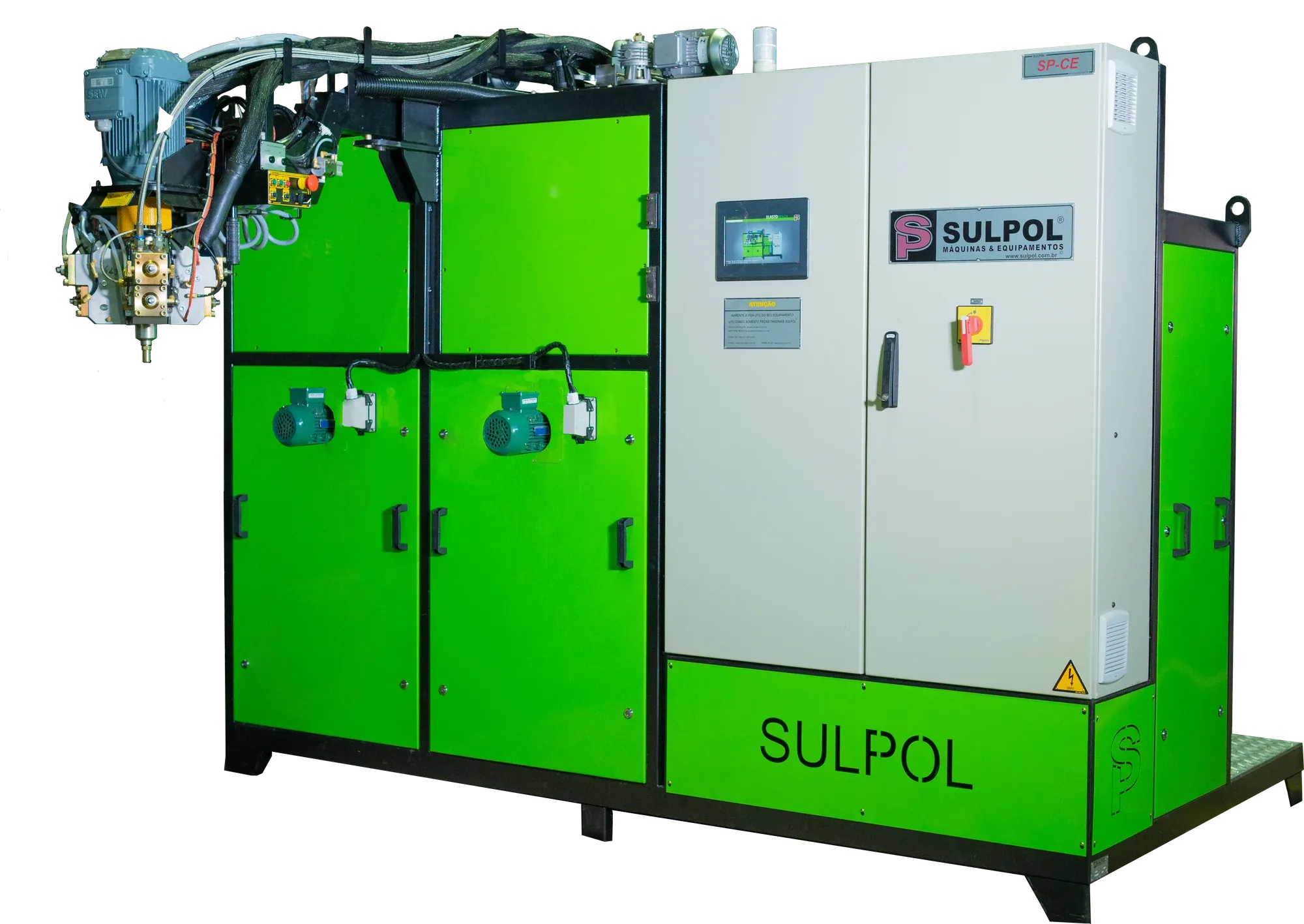
ELASTOMACH series for PU elastomers
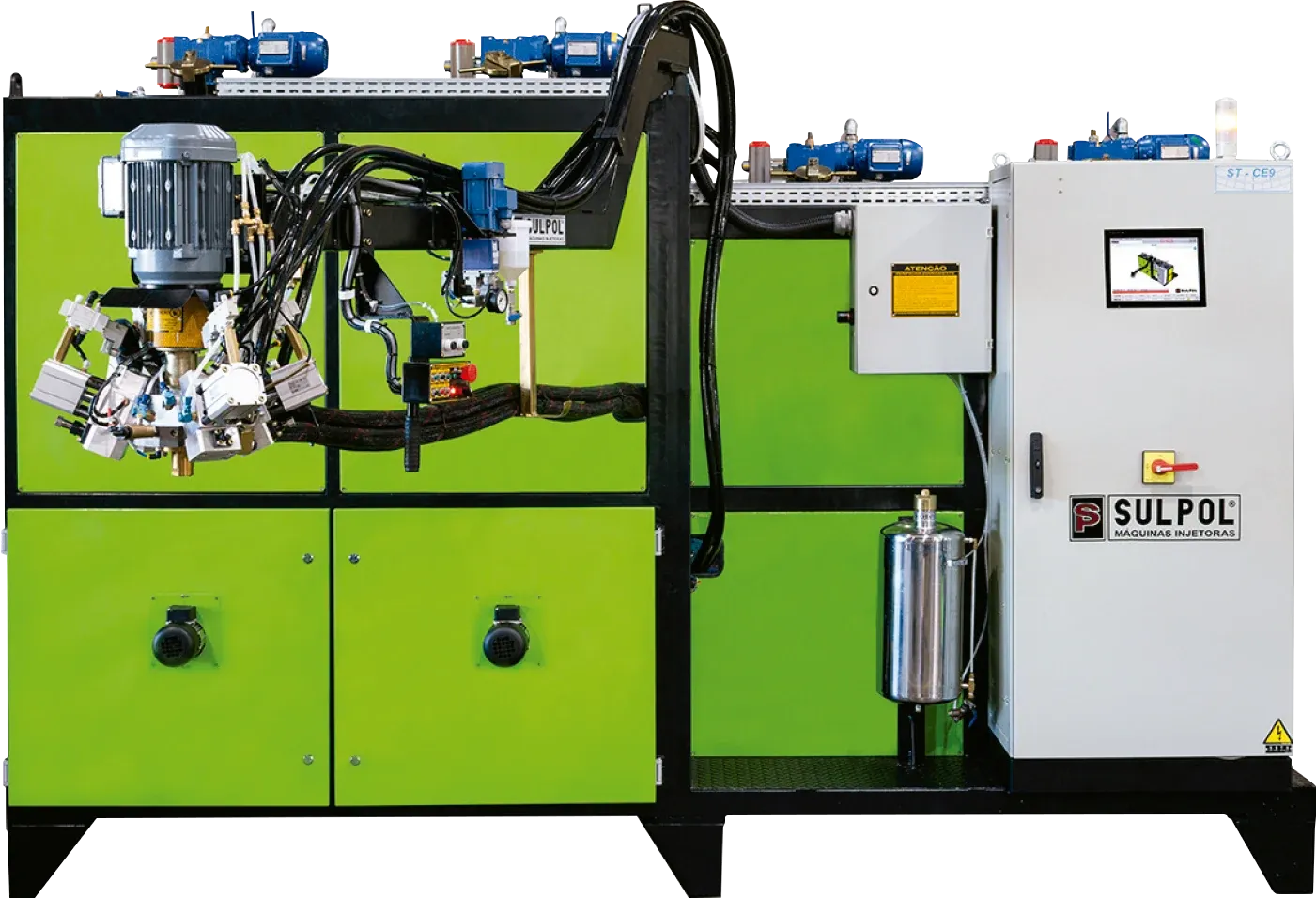
Low pressure for PU elastomers: up to 150 kg/min, up to 150 °C, dynamic head and up to 4 additional components.
In-house polyurethane machinery engineering since 1989
Priorities
Industrial and commercial refrigeration, insulated panels and roof tiles, and automotive suppliers.
All applicationsArticles in Portuguese
Recent article · PT
Dosadora ou injetora de poliuretano? Qual a diferença e como escolher
Read articleAutomotive and industrial filters
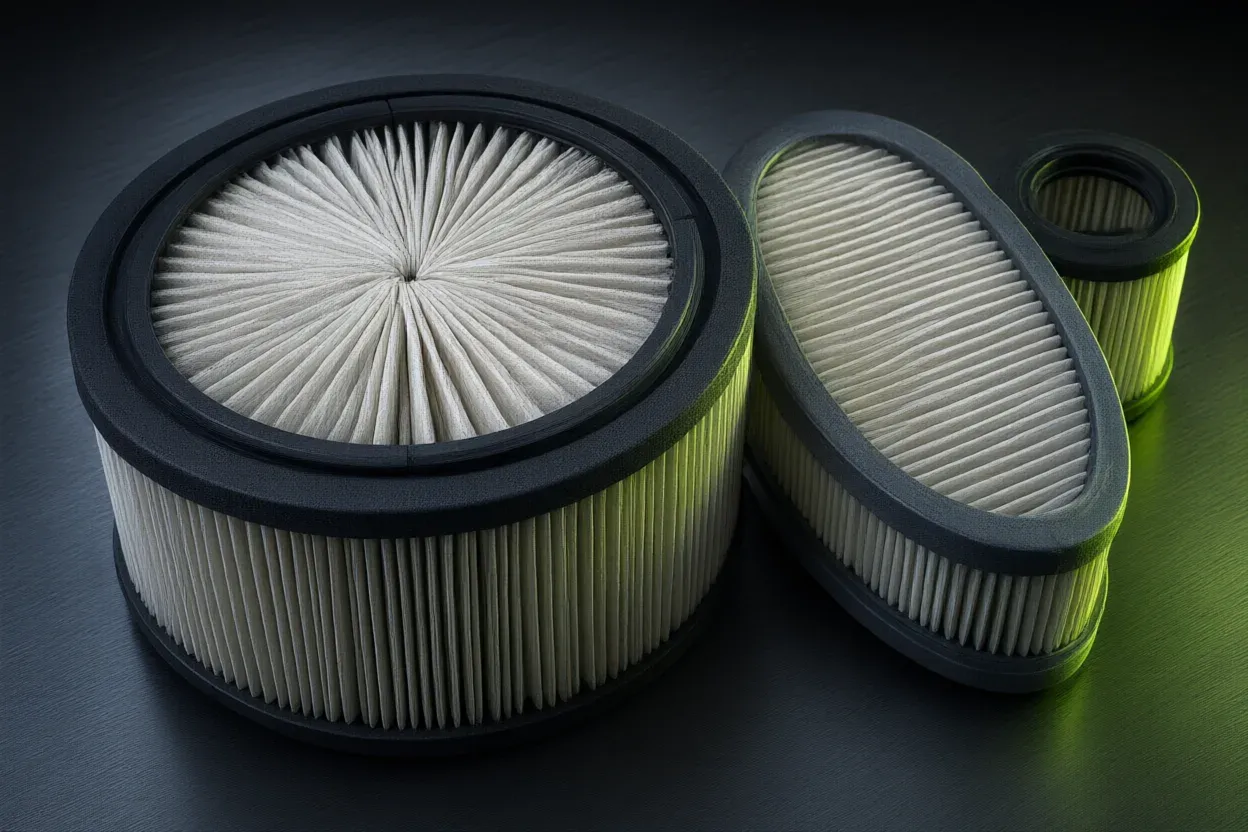
End caps, seals and bonding of filter elements.
The process
In air, oil, fuel and cabin filters, polyurethane forms end caps, seals and gaskets that must seal well and withstand use. Metering off-ratio compromises sealing and strength.
Sulpol develops metering machines for expanding, compact and adhesive polyurethane, and automation to suit each customer’s needs.
Steps
Reference flow. Each project defines the steps included and each supplier’s responsibilities.
Diagnosis
You do not need every answer. They structure the conversation with our engineering team and with your PU system supplier.
Send my answersRelated solutions
Recommending a solution for this application does not replace analysis of the material and process.
Elastomers
Low pressure for PU elastomers: up to 150 kg/min, up to 150 °C, dynamic head and up to 4 additional components.
Integration
Metering, mould carriers and automation designed together for your part.
Knowledge

Other applications
Application engineering
We will look at your application, target output and metering requirements to assess the right equipment configuration.