Elastomers
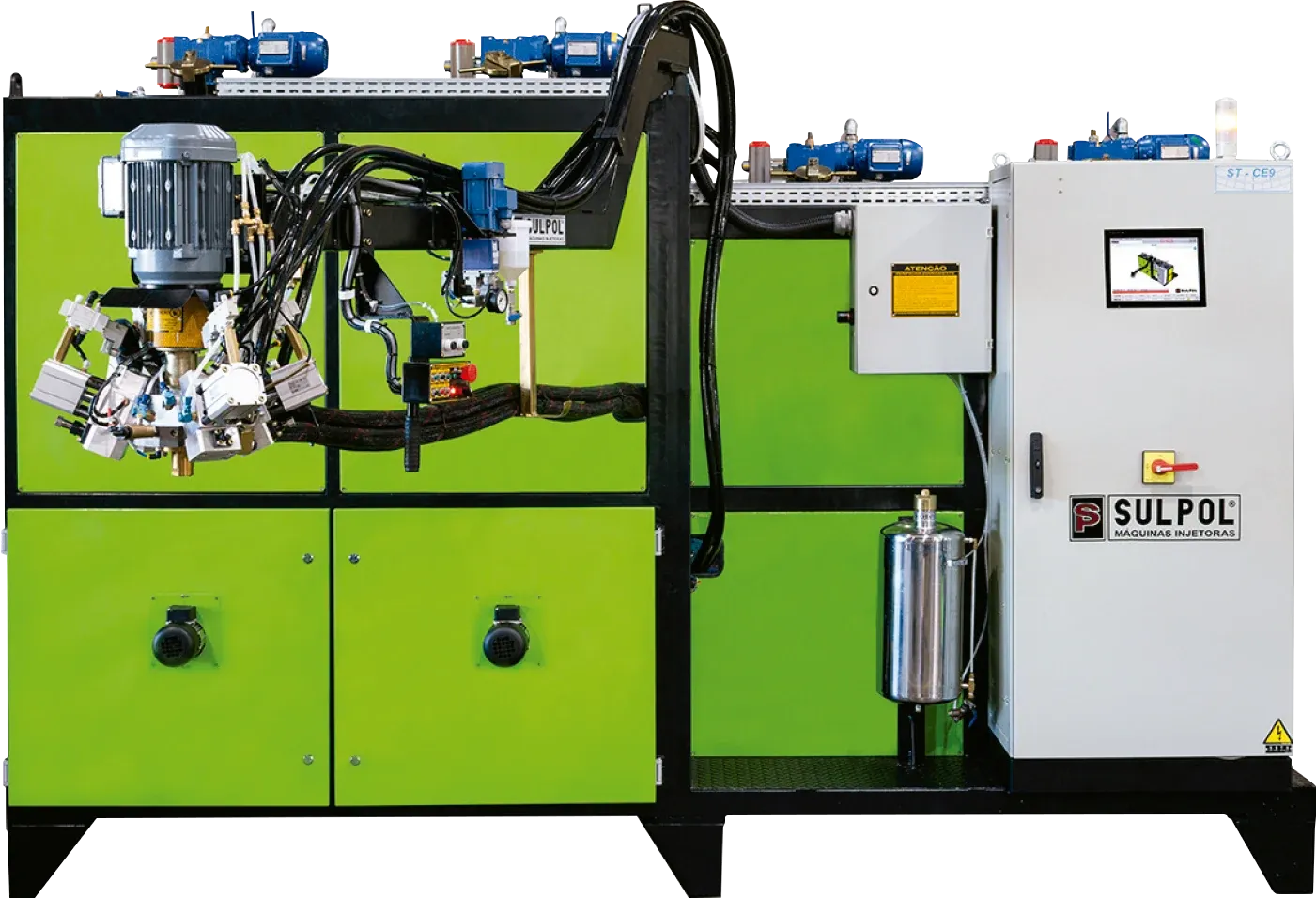
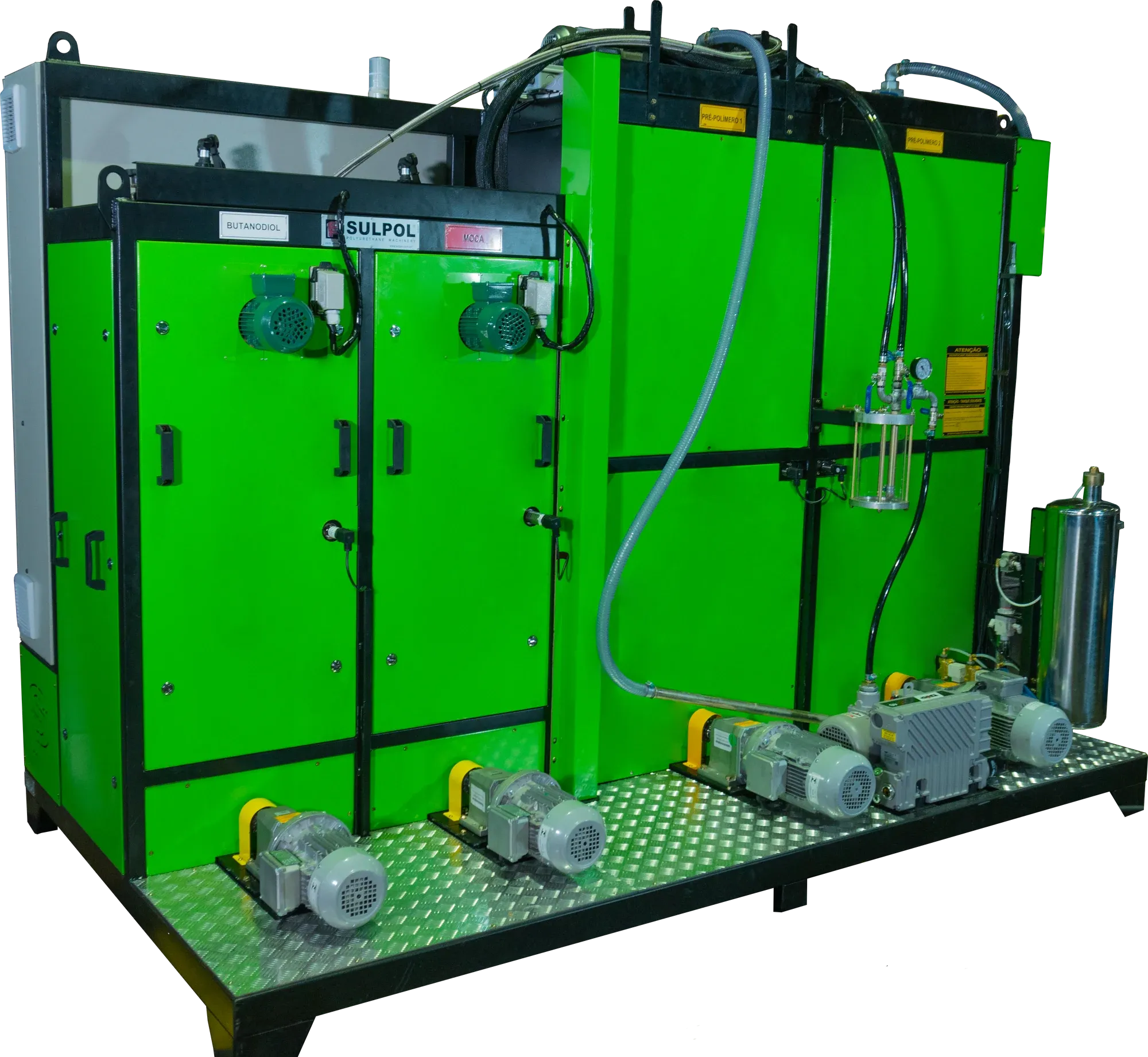
ELASTOMACH series for PU elastomers
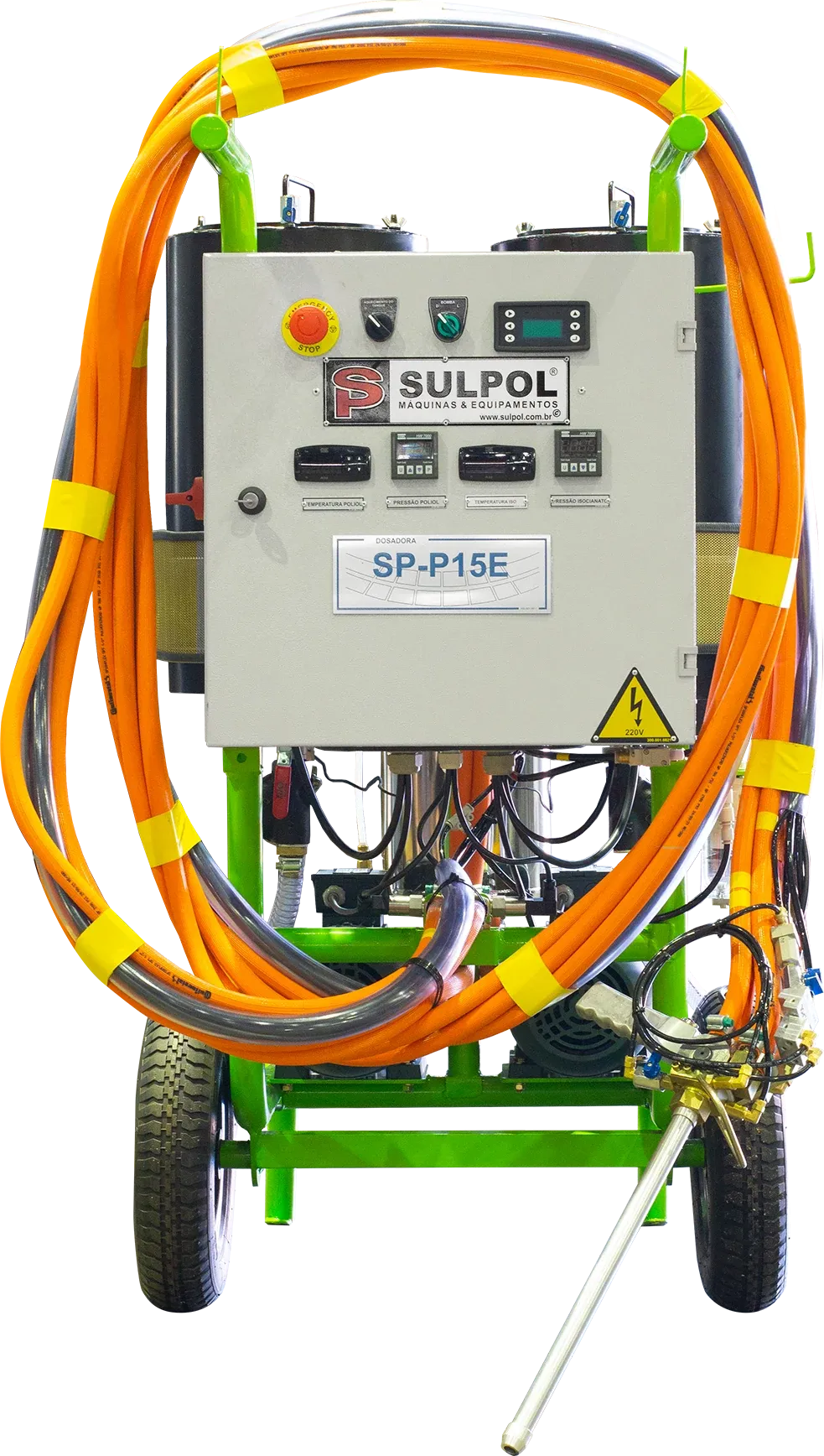
Low pressure for PU elastomers: up to 150 kg/min, up to 150 °C, dynamic head and up to 4 additional components.
In-house polyurethane machinery engineering since 1989
Priorities
Industrial and commercial refrigeration, insulated panels and roof tiles, and automotive suppliers.
All applicationsArticles in Portuguese
Recent article · PT
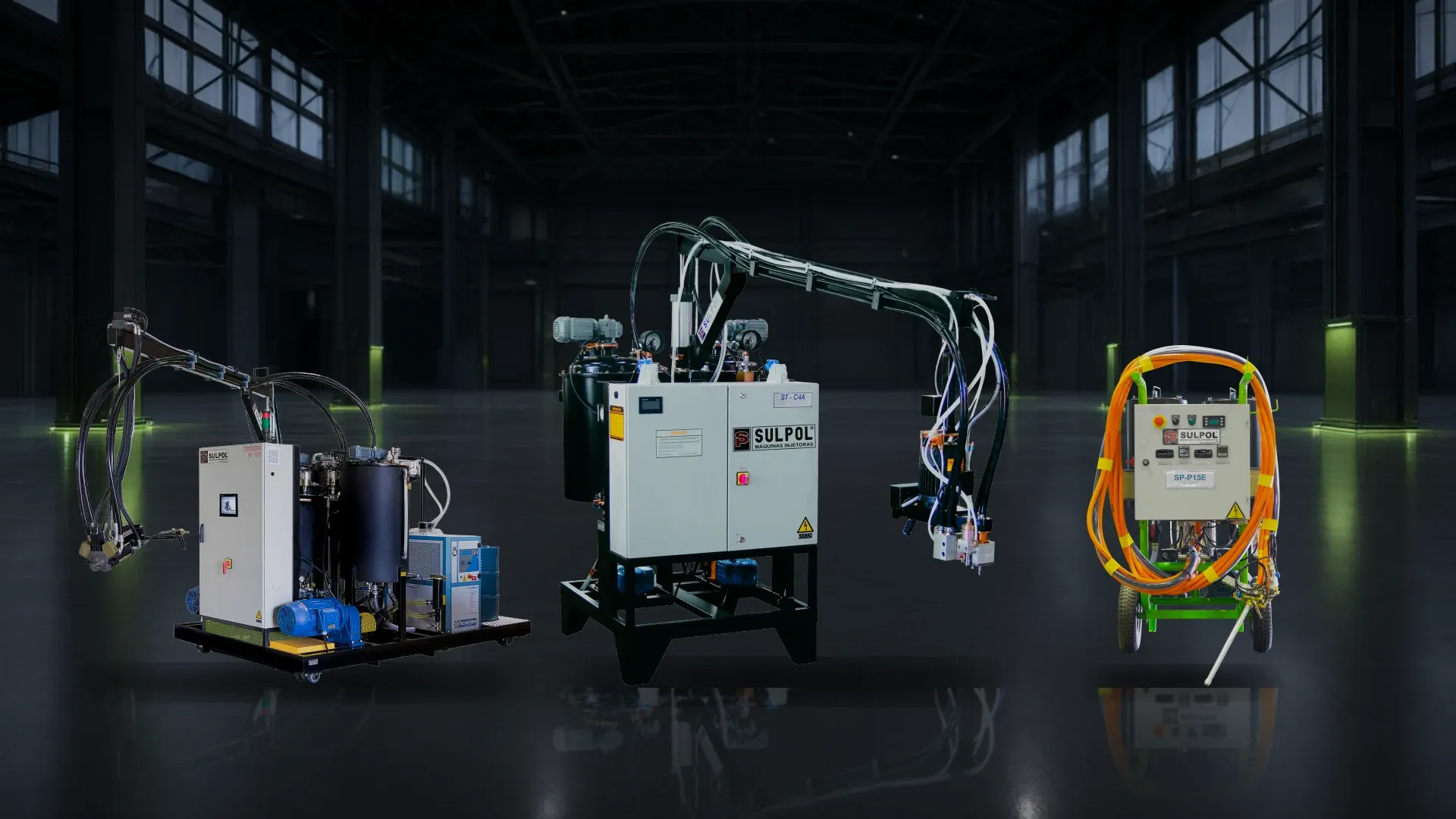
Dosadora ou injetora de poliuretano? Qual a diferença e como escolher
Read articleTechnical parts
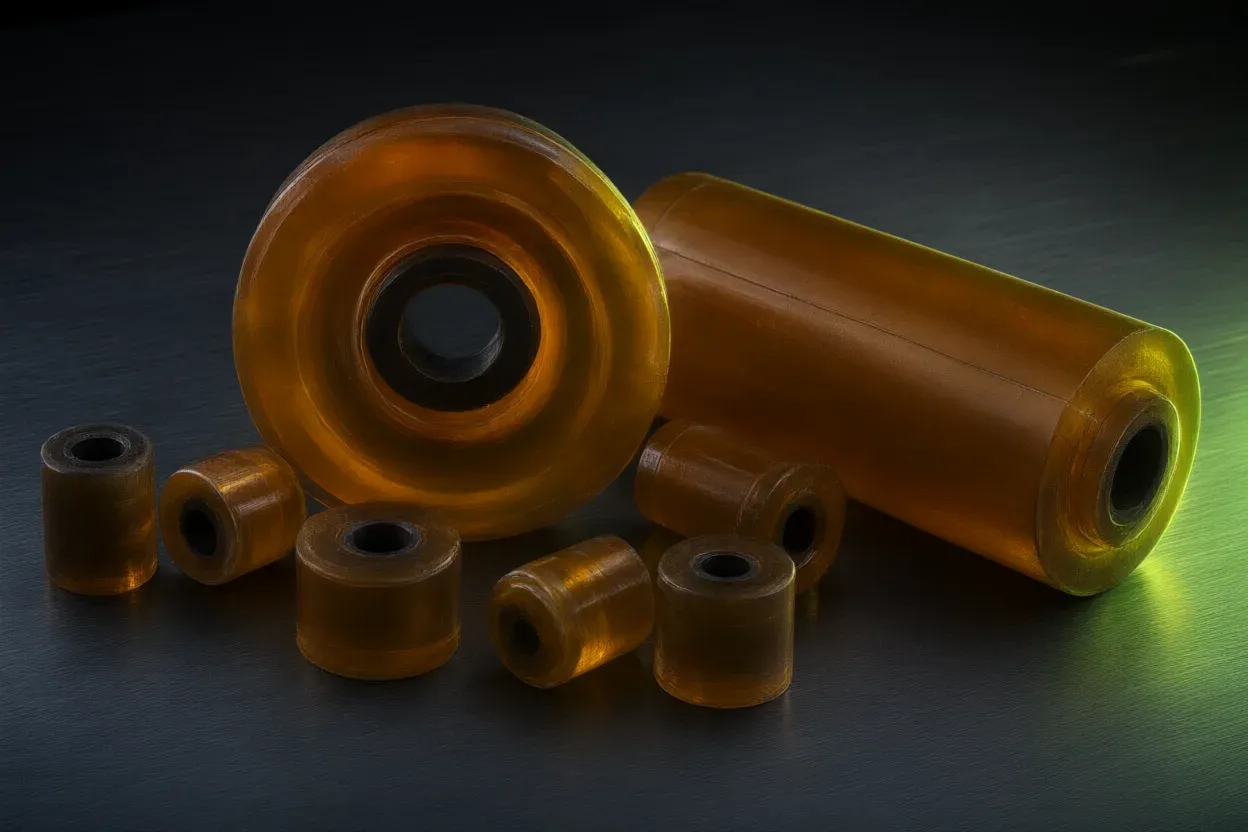
Wheels, rollers, bushings, seals and technical parts.
The process
Polyurethane elastomers combine hardness, abrasion resistance and elasticity. They are used in industrial wheels, roller coating, mining, oil and gas, agricultural equipment, transport and technical parts that replace rubber or metal.
The systems usually run heated and with a critical mix ratio. The ELASTOMACH series was developed for these requirements: up to 150 kg/min, tanks up to 1,000 L, temperatures up to 150 °C, automatic degassing and a dynamic mixing head.
Steps
Reference flow. Each project defines the steps included and each supplier’s responsibilities.
Diagnosis
You do not need every answer. They structure the conversation with our engineering team and with your PU system supplier.
Send my answersRelated solutions
Recommending a solution for this application does not replace analysis of the material and process.
Elastomers
Low pressure for PU elastomers: up to 150 kg/min, up to 150 °C, dynamic head and up to 4 additional components.
Components
Gear and axial piston pumps for high- and low-pressure metering.
Other applications
Application engineering
We will look at your application, target output and metering requirements to assess the right equipment configuration.