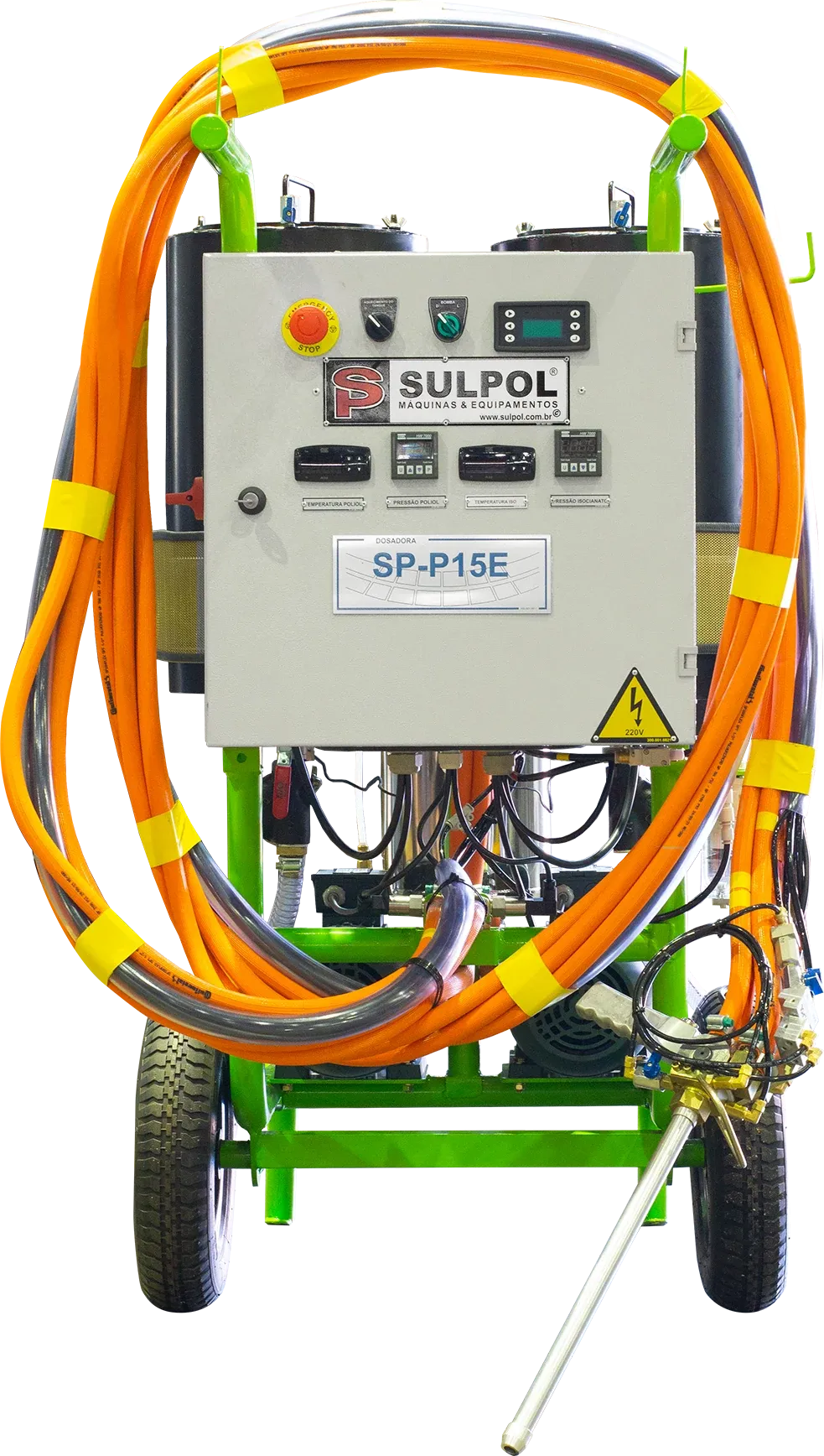
High pressure
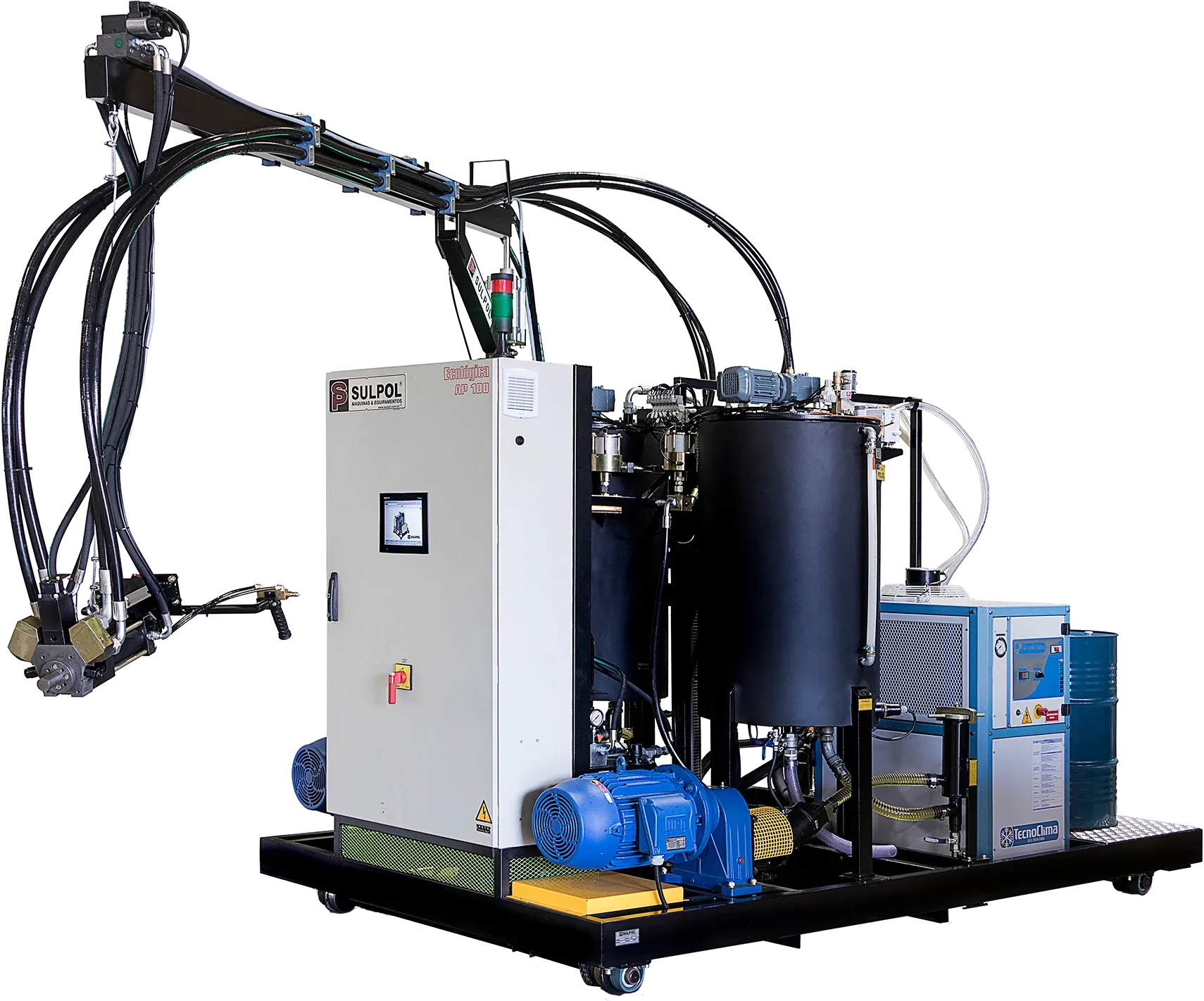
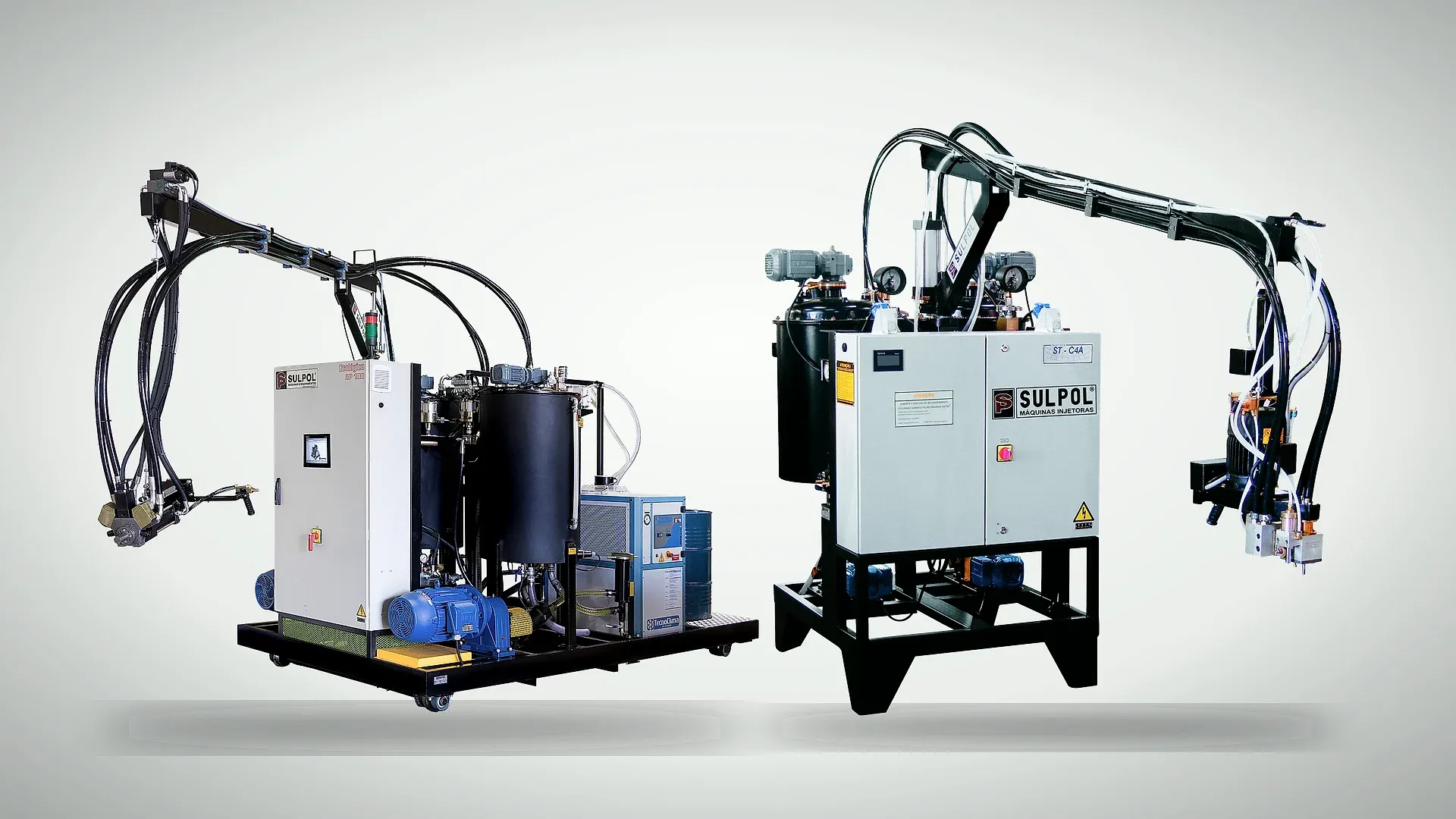
Ecológica AP high-pressure metering machines
Impingement mixing at high pressure with a self-cleaning head and no solvent flushing.
In-house polyurethane machinery engineering since 1989
Priorities
Industrial and commercial refrigeration, insulated panels and roof tiles, and automotive suppliers.
All applicationsArticles in Portuguese
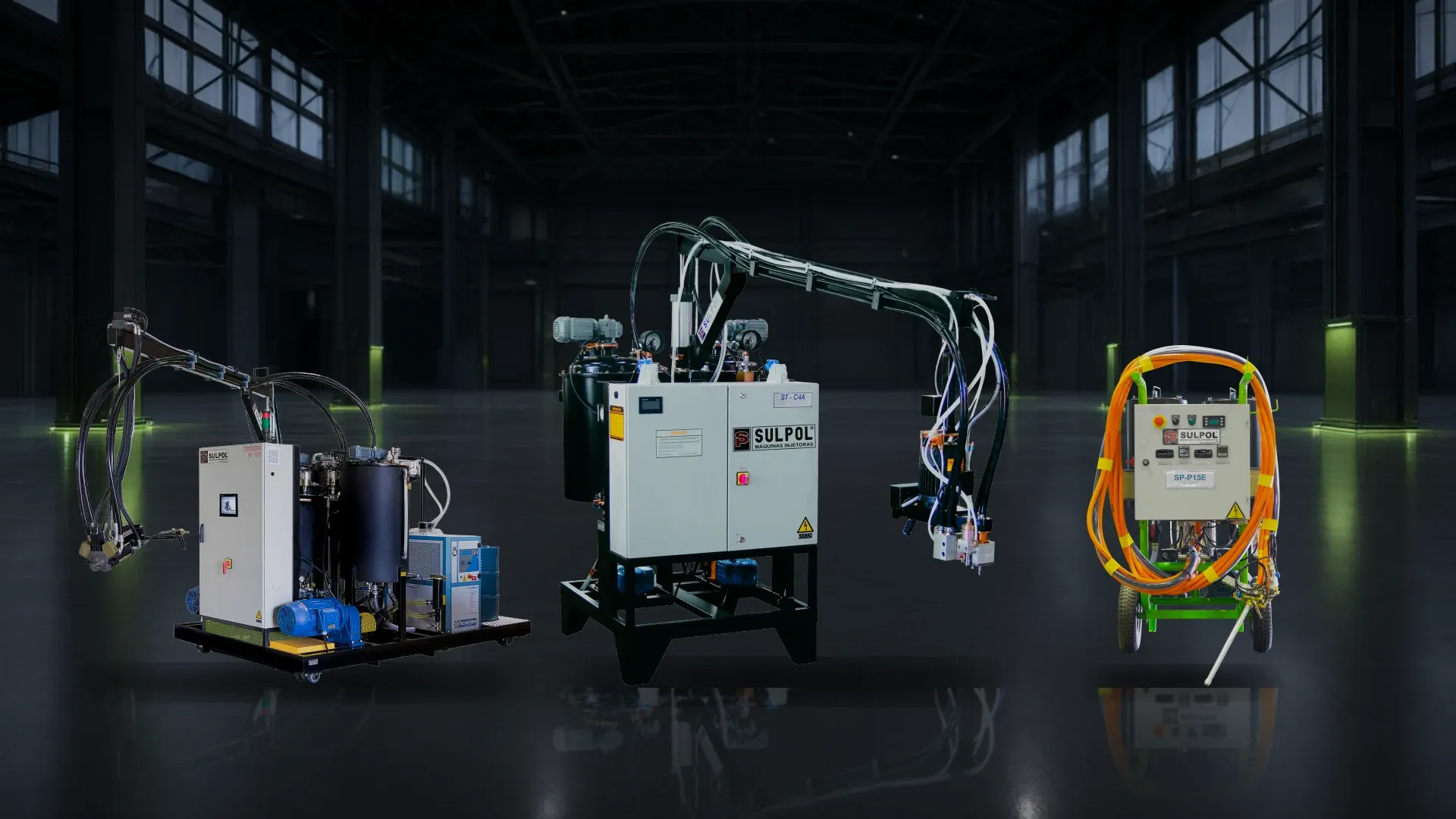
Recent article · PT
Dosadora ou injetora de poliuretano? Qual a diferença e como escolher
Read articleAutomotive suppliers
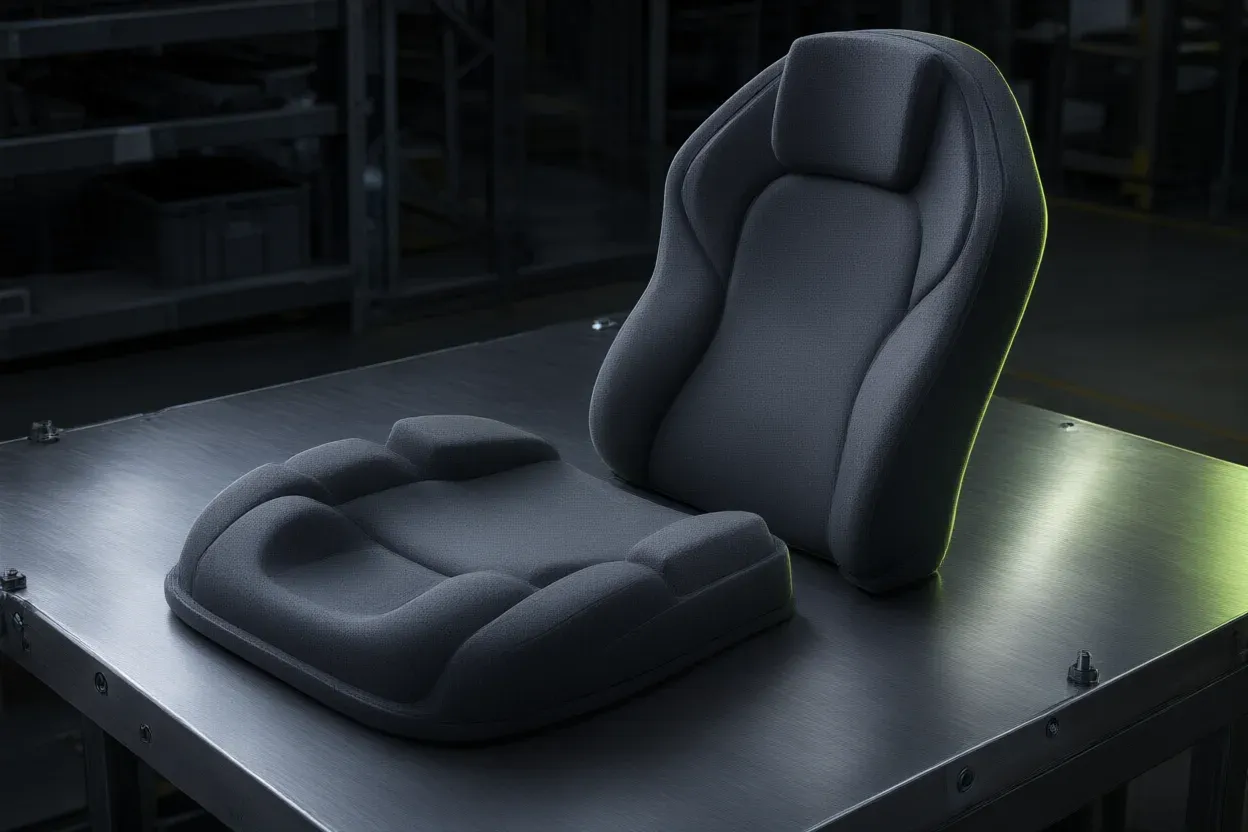
Seats, backrests, headrests, steering wheels, trims and filters.
The process
Polyurethane is in seats, backrests, headrests, steering wheels, gear knobs, dashboards, trims, suspension components and filters. Each part has its own material, density, finish and cycle.
Sulpol has supplied equipment and lines to the sector since 2004, according to the company’s history, and continuously develops automated systems to shorten cycle times.
Steps
Reference flow. Each project defines the steps included and each supplier’s responsibilities.
Diagnosis
You do not need every answer. They structure the conversation with our engineering team and with your PU system supplier.
Send my answersRelated solutions
Recommending a solution for this application does not replace analysis of the material and process.
High pressure
Impingement mixing at high pressure with a self-cleaning head and no solvent flushing.
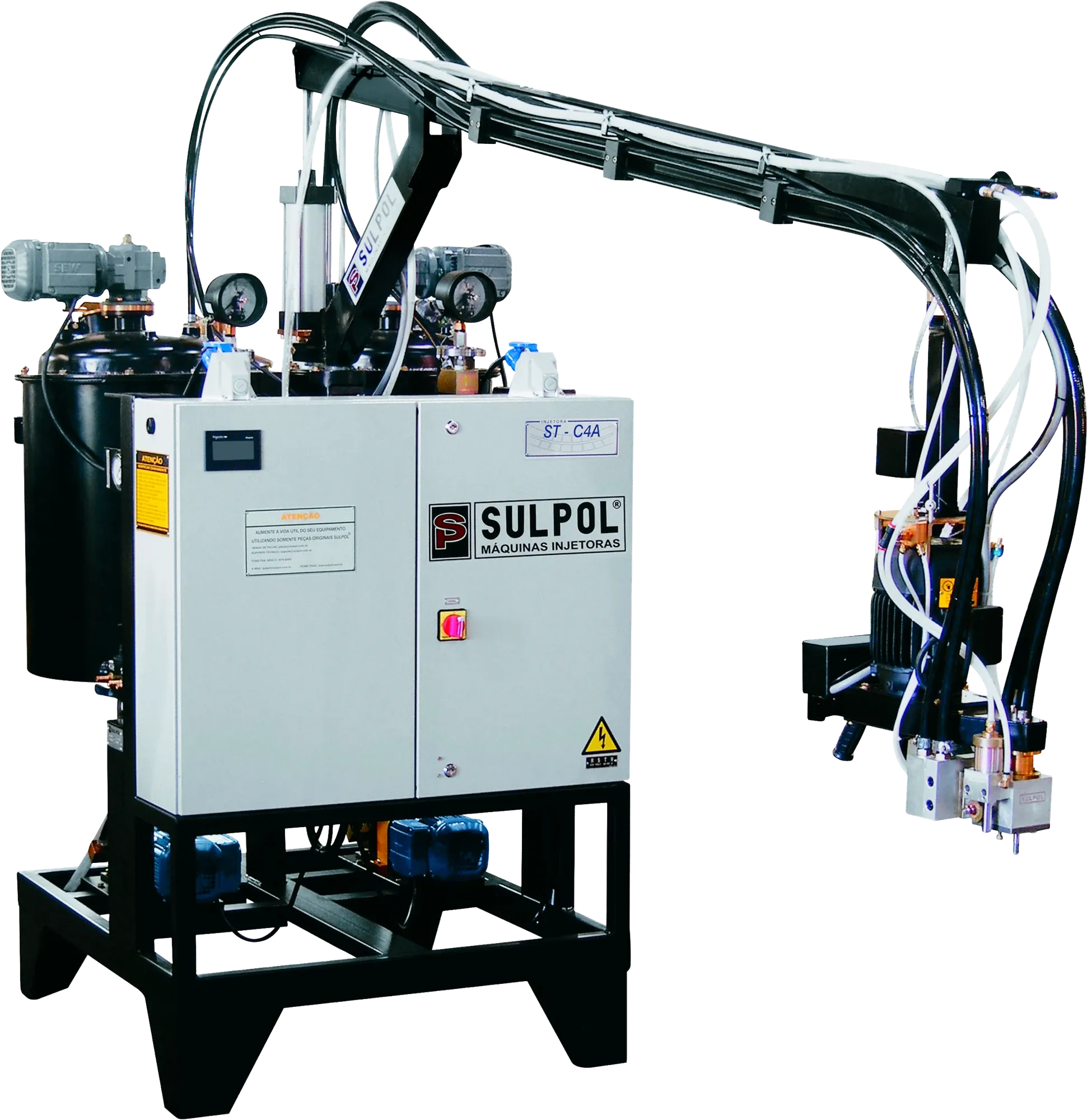
Low pressure
Dynamic mixing for flexible, integral-skin, rigid and semi-rigid foams.
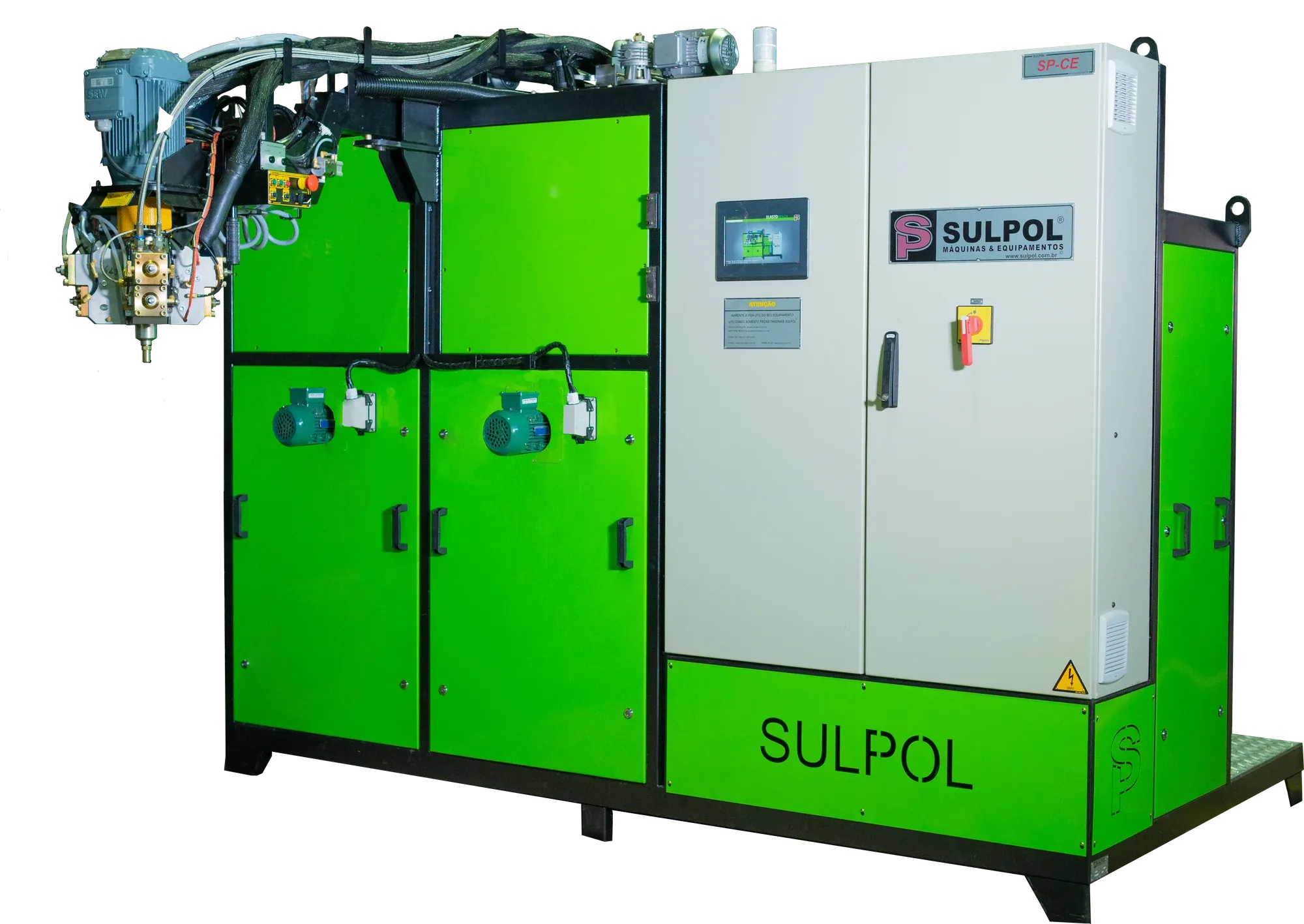
Integration
Metering, mould carriers and automation designed together for your part.
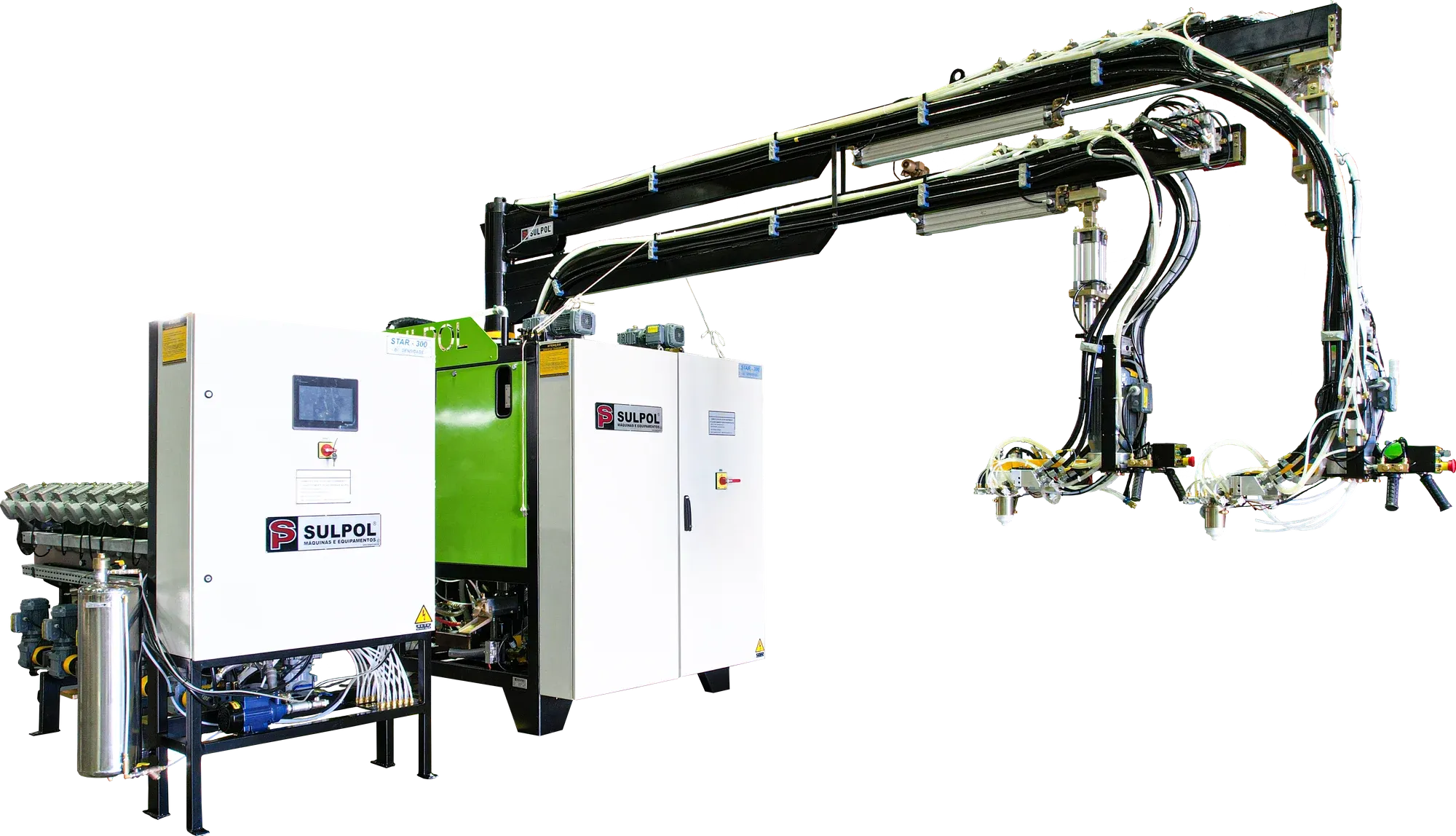
Components
In-house manufacturing, solvent-free cleaning and repair — including for imported machines.
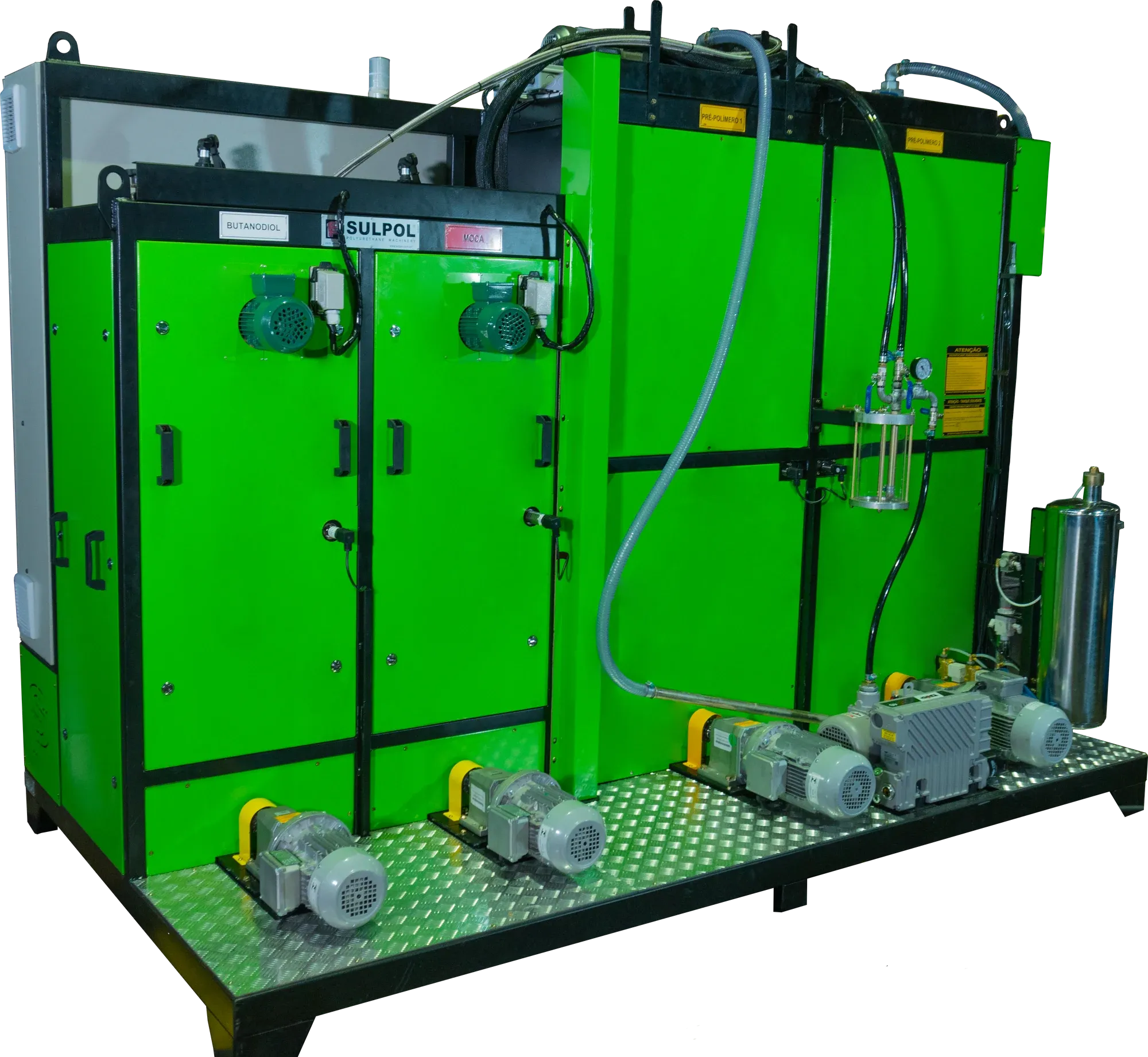
Components
Gear and axial piston pumps for high- and low-pressure metering.
Knowledge · Articles in Portuguese
Mistura por impacto com cabeçote autolimpante ou misturador dinâmico e estático: diferenças, vantagens e critérios para escolher entre dosagem de alta e baixa pressão.
Other applications
Application engineering
We will look at your application, target output and metering requirements to assess the right equipment configuration.